
"Bolivia coffee altitude"
600 article(s) found

Bolivian coffee hand data how to drink Bolivian coffee
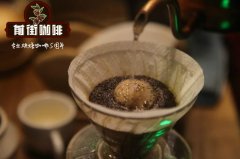
For the exchange of professional baristas, please follow the coffee workshop (Wechat official account cafe_style) in Bolivia. 15g powder, medium grinding (small Fuji ghost tooth cutter 4 grinding), v60 filter cup, 88-89 degrees water temperature, 30g water injection for the first time, steaming for 27 seconds, water injection to 105g water cut off, wait for the powder bed water to drop to half and then water injection, slow water injection until 225g water, the end section is not

South American coffee recommends the unique coffee flavor of South America.
Professional baristas please pay attention to the coffee workshop (Wechat official account cafe_style) South America is rich in coffee beans, especially in Bolivia, the unique rainforest environment in some parts of Bolivia provides excellent natural conditions for the growth of organic coffee. The aroma of Bolivian coffee is rich and unique, whether it is the aroma of ground beans or the aroma of coffee produced.

Tomorrow Sun Project | Karanabi, Bolivia | Pearl beans of Don Carlos Manor in Yonggas
Professional coffee knowledge exchange more coffee bean information please follow the coffee workshop (Wechat official account cafe_style) Bolivia Karanabi | Yonggas Don Carlos Manor Pearl Bean flavor? Our partner in Bolivia is Agricafe founded by Pedro Rodriguez and his son Pedro Pablo and daughter Daniela. Agricafe can

Bolivian coffee producing areas introduce how to brew Bolivian coffee.
For the exchange of professional baristas, please follow the coffee workshop (Wechat official account cafe_style) in Bolivia. 15g powder, medium grinding (small Fuji ghost tooth cutter 4 grinding), v60 filter cup, 88-89 degrees water temperature, 30g water injection for the first time, steaming for 27 seconds, water injection to 105g water cut off, wait for the powder bed water to drop to half and then water injection, slow water injection until 225g water, the end section is not

Introduction to the planting environment of Bolivian coffee manor with rich and unique aroma
Wash Bolivia by hand with a cup of water, it is recommended to wash Bolivia with 15g powder at 87 degrees water temperature, water powder ratio at 1:15, moderate grinding (small Fuji ghost tooth knife 3.54grind), V60 filter cup, the first injection of 30g water for 25s, injection to 110g water cut off, wait for the powder bed water to half of the water and then water injection, slow water injection until 230g water, the tail section does not want, the extraction time is 2Jiang 00s. Flavor: roasted nuts and roasted nuts

Brief introduction of Snow vein Manor Coffee Manor in Bolivia and Yongas in the northeast of La Paz
The results of the 2009 Boro extraordinary Cup are even more eye-catching. It has a total score of more than 84 for 30 boutiques. This is more than double the number of 13 in 2004. And the top six scores are all above 90 points. Champion beans are as high as 93.36 points. The final auction was at a high price of $35.05 per pound. It's a pity. Bolivia produces little. The annual output is between 6000 and 10000 tons. The main reason is that the hardware is relatively backward. The altitude is too high and heavy
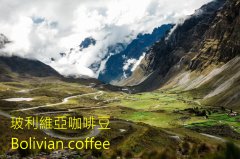
The Soul of Andes from the Roof of the World description of the flavor and flavor of Bolivian coffee beans
For the exchange of professional baristas, please follow the coffee workshop (Wechat official account cafe_style) the Soul of Andes from the roof of the world Bolivia ◇ Yungas Caranavi Bolinda Finca Don Carlos Peaberry Yonggas Karana than Don Carlos Manor perfume Queen Pearl beans 1600-1650m Bolivia Don Carlos Manor Perfume Queen Pearl Round Bean Coffee
Washed Tibica Coffee beans in Yonggas Town, La Paz County, Bolivia _ Bolivian Coffee Flavor
Professional coffee knowledge exchange more information about coffee beans please follow Coffee Workshop (Wechat official account cafe_style) Bolivia is a landlocked country in South America and a member of the Union of South American Nations. Neighboring countries include Brazil, Peru, Chile, Argentina and Paraguay. The legal capital is Sucre, but the actual seat of government is La Paz, which is above sea level.

Rich and unique Bolivian fine coffee bean flavor taste aroma characteristics Description Introduction
Because Bolivia produces so little, we don't have much chance of drinking it. Because the smaller the yield, the more precious it is. For my personal preference for Central American coffee, I still have more expectations for Bolivia, a small and beautiful coffee-producing country. In the past, Bolivia's coffee was mostly of average quality, but in recent years, fine coffee production has developed rapidly and a lot has appeared.

A brief introduction to the market price of Bolivian boutique coffee beans with dried almonds
Bolivia not only has a unique growing environment, but also has an excellent coffee variety Typica. In the past two hundred years, the main variety of coffee in Yanggas area is the ancient Tibica. Tibica coffee has a balanced and soft flavor, with lively aroma and rich sour taste. Unfortunately, the low production of Tibika and its poor disease resistance make Bolivia's

The coffee producing area of Bolivia, the coffee characteristics of Bolivia
Following Cafe (Wechat official account vdailycom) found that Beautiful Cafe opened a small shop of its own Bolivia (South America) established diplomatic relations with China on July 9, 1985. In 2014, high-level exchanges between the two countries have been maintained and mutual political trust has been continuously deepened. The economic and trade cooperation between the two countries is developing rapidly, and the areas of cooperation are constantly expanding. According to Bolivian statistics, China has become the largest in Bolivia in 2014.

Description of Bolivian Coffee Flavor with supple Fruit Acid Variety characteristics of Fine Coffee beans
South America is rich in coffee beans, and Bolivia is no exception. The unique tropical rain forest environment in some parts of Bolivia provides excellent natural conditions for the growth of organic coffee. The aroma of Bolivian coffee is rich and unique, both the aroma of ground beans and the aroma of coffee are obviously rich, similar to the mixture of flower and fruit aroma, which is impressive.

Taste of Bolivian Coffee Manor Yongas, northeast of La Paz, snow vein manor
This is the description of Bolivian coffee; Bolivia, located on the southeast side of Peru, is an alpine country. La Paz (capital) is 3660 meters above sea level. Coffee cannot be grown in such a cold place. But YUNGAS, northeast of La Paz, borders the Amazon basin. The altitude is a little lower. About 1500-2500 meters. The average annual temperature is about 10-15 degrees without frost damage in winter. Fertile soil is a special feature of the main coffee producing areas in Bolivia.
Bolivian Coffee Flavor description of Advanced taste introduction of high-quality coffee varieties in producing areas
The advantage of Bolivian coffee lies in its high altitude and excellent varieties of coffee, where the traditional Tibica and a small amount of Kaddura are highly valued in the world market. In the past, coffee trees in Bolivia used to act as hedges and ornaments around the garden. Real commercial production began in the early 1950s. The great frost in 1957 seriously damaged Pakistan.

Bolivian coffee flavor what coffee beans are used for hand-brewed coffee
In boutique coffee, this is the description of Bolivian coffee; Bolivia, located on the southeast side of Peru, is an alpine country. La Paz (capital) is 3660 meters above sea level. Coffee cannot be grown in such a cold place. But YUNGAS, northeast of La Paz, borders the Amazon basin. The altitude is a little lower. About 1500-2500 meters. The average annual temperature is about 10-15 degrees without frost damage in winter. The fertile soil is Bolivia.

There are bright sour berries. Introduction to Bolivian coffee with almond flavor and hazelnut sweetness
In boutique coffee, this is the description of Bolivian coffee; Bolivia, located on the southeast side of Peru, is an alpine country. La Paz (capital) is 3660 meters above sea level. Coffee cannot be grown in such a cold place. But YUNGAS, northeast of La Paz, borders the Amazon basin. The altitude is a little lower. About 1500-2500 meters. The average annual temperature is about 10-15 degrees without frost damage in winter. The fertile soil is Bolivia.

Flavor Description of Bolivian Coffee Taste Variety Production Area Treatment Manor Introduction
Bolivian coffee has the advantage of high altitude and excellent coffee varieties, where traditional iron pica and a small amount of kadura are highly valued on the world market. Coffee trees used to be planted around gardens as hedges and ornamental plants in Bolivia. Real commercial production from 20

How to deal with the processing of single beans in Xuemai Manor? how to divide the grades of single beans in Xuemai Manor?
Professional baristas Please follow the Coffee Workshop (Wechat official account cafe_style) YUNGAS about 95% of Bolivia's coffee is produced in this region, which has enjoyed a high reputation in Europe in the past and recently. This area is the forest that extends to the east of the Andes, and in fact extends from Peru (Peru) to Peru through Bolivia.

Bolivia Miranda Coffee Region Introduction Bolivia Miranda Coffee Flavor Description
Bolivia [Miranda Peasant/Wash] Medium Roast Country: Bolivia Origin: Miranda Farm Variety: Ferrica Species Elevation: 1850M Treatment: Wash Treatment Roast: Medium Roast Flavor: Rich caramel, walnut and cocoa aromas, transformed into honey and berry aromas, the layers are varied, the sweetness is quite thick, with excellent balance. Product description from
Introduction to the varieties of coffee grown in Bolivia on the plateau what's so special about Bolivian coffee?
Professional coffee knowledge exchange more coffee bean information please pay attention to the coffee workshop (Wechat official account cafe_style) Bolivia is a landlocked country known as the ancient plateau, coffee is mainly produced in the plateau 1200 2000 meters above sea level, the main producing areas for the north Caranavi Karanawi and the south Santa Cruz Santa Cruz, are cultivated on small farms, the average area